
Friends gathered around a colorful spinning wheel, leaning in and smiling in a lively game setting

From Our Blog

March 7, 2026
After 35 years of holding tiny babies, reassuring new parents, and watching generations of children grow, I am stepping away from my pediatric career with a full heart. After much reflection, I will be retiring on July 1, 2026. Being a pediatrician is a calling like no other. To play even a small role in shaping our future has been the honor of a lifetime. I have been especially fortunate to spend most of my career at Pediatric Associates of NKy. Throughout my 31 years here, I have had the privilege of working alongside many intelligent, compassionate and deeply dedicated colleagues. Our office truly feels like a family. We celebrate milestones together, support one another through challenges, and share a common purpose: providing the best possible care for our patients and their families One of the greatest joys of pediatrics is the continuity—caring for patients as they grow from newborns into confident young adults. There is something profoundly special about watching a child you once held in your arms return years later as a parent, trusting you to care for their own newborn. Moments like these are gentle reminders of the deep relationships and lasting connections that make this profession so meaningful. In addition to providing direct patient care, it has been a privilege to help train future medical providers by mentoring young adults early in their journeys. Seeing them grow into compassionate professionals has been incredibly rewarding. I am deeply thankful for my husband and our three children, who supported me unconditionally throughout the years, even when the demands of my work meant time away from home. Their love, patience, and encouragement made this journey possible. As I close this chapter, I do so with immense gratitude—for the families who entrusted me with their children’s care, for the colleagues who became lifelong friends and for a career that has given me more joy and purpose than I ever could have imagined. I will carry your stories and smiles with me always. Fondly, CINDY SPICKER
March 7, 2026
Raw (unpasteurized) milk is sometimes marketed as a more “natural” or more nutritious alternative to pasteurized milk. But the idea that raw milk is healthier doesn’t hold up well when you look at safety and nutrition evidence. What pasteurization means: Pasteurization is a process in which milk is heated to a specific temperature for a specific amount of time and then rapidly cooled in order to kill harmful bacteria and reduce the risk of foodborne illness. Raw (unpasteurized) milk can carry dangerous bacteria. Because it has not been treated to kill harmful microbes, raw milk can lead to infections from Campylobacter, Brucella, Listeria monocytogenes, Salmonella, and E. coli. These infections can be serious even in otherwise healthy people, and raw milk exposure can be particularly harmful to children. Certain types of E. coli can cause life‑threatening kidney disease in children. Even healthy older children can develop severe diarrhea and dehydration from these bacterial infections. Some of these bacteria are especially dangerous during pregnancy. For example, infections such as Listeria monocytogenes can be passed from a pregnant person to the unborn infant and may result in birth defects, miscarriage, stillbirth, or serious infection in the newborn. Key nutrients are mostly unchanged: A common claim is that pasteurization “destroys” the nutritional value of milk. However, multiple studies have shown that pasteurized milk contains essentially equivalent nutrients compared with unpasteurized (raw) milk products. In other words, pasteurization makes milk safer without meaningfully reducing its core nutritional benefits. The nutrients children commonly rely on milk for remain largely intact after pasteurization: -Minerals such as calcium and phosphorus are unchanged, and these are among the most important nutrients milk provides for growing children.  -There may be some deactivation (denaturation) of proteins, but the overall difference is small and does not meaningfully reduce milk’s protein value in the diet. -A few vitamins—especially vitamin C and some B vitamins, may decrease somewhat. However, milk is not a primary source of vitamin C or many B vitamins in most diets, so these small reductions generally have little nutritional impact. Risk vs. Benefits: In summary, the potential risk of infection from bacteria in raw or unpasteurized milk outweighs any claimed benefits, and we recommend against the consumption of raw milk.
March 7, 2026
The holidays can be exciting but also stressful for children. Keeping regular routines for sleep, meals, and physical activity helps children manage holiday stress. Each child is different and may handle crowds/new people/excitement differently. Prepare your child(ren) for events by sharing basics (who, what, why, how long, and expectations) ahead of time. Encourage your children to discuss how they feel about events. This knowledge and open communication helps anyone navigate new or different experiences! If they have big emotions, help them manage by being supportive, listening, help them to solve problems and teach them simple stress management techniques like deep breathing.  If you are noticing persistent behavior challenges or changes, let us know. Symptoms of anxiety and depression can include excessive worrying, avoiding activities they used to enjoy, frequent stomachaches or headaches, trouble sleeping, irritability, or seeming sad most of the time. Younger children may show more tantrums or clinginess, while older children and teens might withdraw from family or friends. Early help can make a big difference, and we can provide evaluations and guidance at Pediatric Associates.
March 7, 2026
This is a subtitle for your new post
March 7, 2026
This is a subtitle for your new post
March 7, 2026
This is a subtitle for your new post
March 7, 2026
This is a subtitle for your new post
March 7, 2026
Many families will be embarking on the task of teaching their teens to dr ive this summer. The Commonwealth of Virginia developed this resource (link to website) for parents to help them develop a step-wise driving training program at home. While the hour requirements are slightly different in KY, the principles of driver training are the same. We hope your family finds this helpful! Parent Teen Driving Guide
March 7, 2026
This is a subtitle for your new post
March 7, 2026
With summer break approaching and the school year coming to an end, it is important to start thinking about your family's routine for the summer. Having a set schedule and somewhat consistent routine is important for children’s mental health. Routines help foster a sense of safety, stability, and predictability, which are key for emotional well-being as well as help kids develop a sense of responsibility. Although kids are excited to be out of school, they will continue to benefit from a regular routine. The Benefits of Routine: Creates a sense of security: having an idea of what to expect each days helps kids feel safe and in control Reduces stress and anxiety: predictable routines can decrease worry and stress Build confidence and independence: when kids know what to do next, they feel more capable and responsible Supports better sleep: regular and consistent bedtime routines helps kids fall faster Improves behavior: routine reduces power struggles, emotional meltdowns, tantrums and impulsiveness Helps manage transitions: moving from one activity to the next is easier with a predictable routine Helps support mental health treatment: routines can make taking medications, counseling, and self care more consistent for children with ADHD, anxiety and depression Although sticking to a routine will be difficult on some days, unexpected things will pop up, and you might just have an “off day”, it is important to not let these minor setbacks throw everyone off. Routines look different for each family and change day to day, but having a set of daily expectations will help foster your child’s mental health and aid in the transition back to school come fall.
March 7, 2026
This is a subtitle for your new post
March 7, 2026
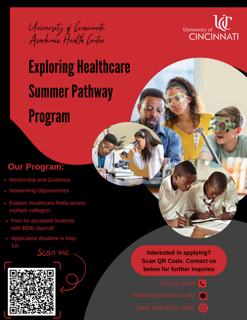
Do you have a high school student interested in a career in healthcare? Here are some opportunities for them to get hands on exposure and experience: NKY AHEC Health Careers Showcase April 3 (schools need to register students) NKY AHEC Summer Camp - One week program in June to learn about health careers. Applications due April 11. St. Elizabeth MOON program - A week long hospital shadowing experience in July. The Exploring Healthcare Summer Pathway Program - a unique opportunity for students to explore careers in healthcare through
March 7, 2026
This is a subtitle for your new post
March 7, 2026
This is a subtitle for your new post
March 7, 2026
This is a subtitle for your new post
March 7, 2026
This is a subtitle for your new post
March 7, 2026
“To be healthy, children need sev eral hours (not minutes!) of movement a day — preferably outdoors, where the senses are fully alive and their bodies are free to move in many different ways.”—Angela Hanscom 
March 7, 2026
This is a subtitle for your new post
March 7, 2026
This is a subtitle for your new post
March 7, 2026
This is a subtitle for your new post
March 7, 2026
This is a subtitle for your new post
March 7, 2026
March 7, 2026
This is a subtitle for your new post
March 7, 2026
This is a subtitle for your new post
March 7, 2026
As the winter season sets in, it's essential to ensure our little ones stay active and healthy despite the chilly weather. At PANK, we understand the importance of maintaining both physical and mental well-being during this time. Here are some fun activities that can help your children stay healthy and happy throughout the winter months: 1. Winter Wonderland Walks: Encourage outdoor walks in your local winter wonderland. Bundle up in warm layers and explore the beauty of snow-covered landscapes. Walking is an excellent way to keep both the body and mind active while enjoying the crisp winter air. 2. Snowy Adventures: Embrace the snow by engaging in classic winter activities like building snowmen, having snowball fights, or creating snow angels. These activities not only provide a great workout but also foster creativity and teamwork. 3. Indoor Dance Parties: When the weather is too cold to venture outside, bring the fun indoors with dance parties. Play your child's favorite music, clear a space, and let them dance away. Dancing is a fantastic way to enhance coordination and cardiovascular health. 4. Winter Sports: Introduce your children to winter sports like ice skating or sledding. These activities not only promote physical fitness but also offer a chance for family bonding. Remember to prioritize safety by using appropriate gear and choosing age-appropriate slopes. 5. Healthy Cooking Together: Use the winter season as an opportunity to explore healthy recipes with your children. Cooking together can be a fun and educational activity. Choose nutritious ingredients and involve them in the preparation process to instill healthy eating habits. 6. Reading Adventures: Curling up with a good book is a cozy and intellectually stimulating activity. Create a reading nook with blankets and pillows, and let your child explore the world of imagination through books. Reading together also strengthens the parent-child bond.  7. Nature Scavenger Hunt: Even in winter, there are fascinating things to discover in nature. Organize a scavenger hunt by creating a list of winter-themed items for your child to find. This activity promotes outdoor exploration and observation skills. Remember, keeping our children active and engaged during the winter months contributes to their overall well-being. If you have any specific concerns or questions about winter activities for your child, don't hesitate to reach out. Wishing you and your family a healthy and joyful winter season!
By Carace MacKay March 7, 2026
When feeling anxious, a quick meditation can be helpful! Here are some ways to start: Sitting meditation- Practicing this for just 3-5 minutes can be very beneficial. To start, sit or lie in a comfortable position. Close your eyes and try to focu on your breathing. Try not to focus on your thoughts, but rather allow them to simply be present. Think of your thoughts as clouds passing by in the sky, or leaves floating down a stream. Breathing techniques- 4-7-8 breathing is an easy way to take some deep, calming breaths. Place one hand on your stomach and inhale through your nose for 4 seconds, feeling your belly expand with the inhale. Hold the breath for 7 seconds. Release the breath through your mouth for 8 seconds feeling your belly contract with the exhale. Repeat as needed until you are feeling more calm and relaxed. Body scan or progressive muscle relaxation- Find a comfortable place to sit or lie. Focus on your toes; wiggle them, and then let them tense for a few seconds and then relax. Use the same process on all parts of your body, starting from your toes and moving upward to your calves, thighs, abdomen, chest, shoulders, arms, neck, etc. Move through each muscle group tensing for a few seconds and then releasing. Notice the tension leaving your muscles as you release. If you don't feel ready or able to do these exercises on your own, there are plenty of guided meditation videos on YouTube to help!
March 7, 2026
Resiliency can be defined as the ability to bounce back after a difficult encounter or situation. Resiliency can also be viewed as "toughness." We want our children to be resilient, especially when it comes to the many hardships that adolescents face nowadays. Below are some characteristics that resilient people possess: -Resilient people are flexible. In order to be resilient, we must be willing to adapt to our surroundings and understand that life sometimes does not go as planned, but that is okay. -Resilient people are teachable. Being willing to learn new skills to cope with changing or unexpected situations is another key factor in building resilience. -Resilient people are resourceful and seek solutions. Instead of complaining that things are hard or that we don't have what we need to get things done, resiliency is the ability to use what we do have to change our situation and to find solutions to our problems. -Resilient people set realistic expectations. This is especially important. Unrealistic expectations can lead to major disappointment and can discourage us from continuing toward our goals. Setting realistic and attainable expectations can help us to be more prepared for what is to come. Ways to improve overall resilience: -Push past your comfort zone. Do something that worries you, and work on accepting anxious feelings and allowing yourself to be okay with those feelings. -Set small scale realistic goals that are helping to move you toward bigger goals. This is helpful because we feel accomplished when we meet small goals, and that encourages us to continue toward the bigger goals. -Change your mindset. Think of things that are scary or worrisome as challenging. Change the language you use with yourself to describe your thoughts and feelings to be more encouraging and productive. -Utilize coping skills such as drawing, cooking, listening to music, journaling, spending time with your support system. -Practice self-care. Do something that you enjoy, take care of your physical and personal health and hygiene, practice good sleeping and eating habits. Kaytlin Hume, LPCA
March 6, 2026
This is a subtitle for your new post
March 6, 2026
This is a subtitle for your new post
March 6, 2026
This is a subtitle for your new post
March 6, 2026
This is a subtitle for your new post
March 6, 2026
This is a subtitle for your new post
March 6, 2026
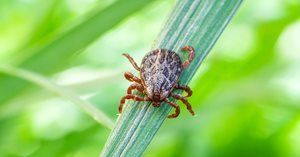
It's that time of year again. The weather begs us to get outside and get active. This is wonderful for our patients, but this outdoor time also brings a few more injuries, accidents, and exposures to nature. In the coming months, we will share info on injury prevention to help our patients stay safe and healthy. In this blog post, we will discuss how to remove ticks and what signs to watch for that might indicate Lyme disease. How to Remove Ticks: The most important thing to keep in mind when removing ticks is to do it as soon as possible. The longer a tick stays attached to the skin, the higher the risk of disease transmission. Most often, if a tick is removed within 48 hours of attachment the risk for disease transmission is very small. Here are the steps to follow when removing a tick: Use tweezers: Using a pair of fine-tipped tweezers, grasp the tick as close to the skins surface as possible. Pull upward: Gently and steadily, pull the tick upward without twisting or jerking it. This will help to avoid leaving the tick's mouthpart in the skin. Clean the area: After removing the tick, clean the area with soap and water or an antiseptic solution. Save the tick in a plastic bag (can be helpful if you develop symptoms later) Symptoms to watch for after removal of tick:  Rash, specifically a bullseye like rash Flu-like symptoms (fever, chills, headache, body aches, fatigue, joint pain) Joint pain or swelling Follow up with us in the office if any of the above symptoms develop. Here is more PANK information and advice on tick bites and helpful information from the CDC on tick bites.
March 6, 2026
This is a subtitle for your new post
March 6, 2026
Continuity of care is a central component of the patient-centered medical home. There are many benefits to going to one place for all your child’s needs, whether for illness, behavioral health, sports physicals, or wellness checks. Here at Pediatric Associates, we pride ourselves in offering same day availability for illness 5 days a week at all three locations and on Saturdays at our Crestview Hills location.  Within our practice, you have many choices of providers, times and locations. There are situations where you will benefit by seeing the same provider for a given condition – such as for recurrent infections, weight or developmental checks, behavioral health issues, or chronic illness such as migraines, asthma, or abdominal pain. When you schedule an appointment, please feel free to ask for a specific provider, especially if you have been working with them on a particular issue. This will enhance your experience and reduce redundant conversations. Our staff may encourage this when you call. Thank you for allowing us the privilege to help care for your children!
March 6, 2026
It's that time of year again--the weather begs us to get outside and get active. This is wonderful for our patients, but this outdoor time also brings a few more injuries, accidents, and exposures to nature. In the coming months, we will share info on injury prevention to help our patients stay safe and healthy. This month, let's talk about bike helmets! 75% of bike fatalities would be prevented with a helmet. Everyone should wear a helmet every time they are on a bike, even if it's a quick jaunt across the street. In the "Community Resources" section of our website, we have a Bike Helmet Safety Pledge and Tips on Fitting a Helmet . Happy spring and enjoy those bike trails!
March 6, 2026
Establishing a Goal to Decrease Screen Time! The American Academy of Pediatrics (AAP) calls for no screen time for children until 18 to 24 months and says kids ages 2 to 5 should get an hour or less of screen time per day. When a child spends multiple hours a day on things that are overstimulating such as ipads, TV, or cell phones, it makes it hard for them to maintain focus on things that are not as stimulating such as everyday conversations, lectures at school, or nature. When a child watches a screen, their brains will grow to crave that level of entertainment in order for their brain to maintain attention. However, the real world will never be as stimulating as a screen which leads to inattention in daily life. Babies and children will learn much more about their world by watching you or other people rather than watching a screen. When your kids watch you talk with a spouse, cook, or even clean the kitchen, they are learning important social and functional skills. When kids watch a screen out in public, this is impairing their ability to learn how the world around them works and how they can fit into social constructs of the environment. Ways to decrease screen time!  Getting children outside promotes the innate exploring and brain development that the brain needs as well as serving as physical exercise. It also teaches independent play to let kids explore nature; no matter the age. Letting kids get messy outdoors helps with sensory integration as well as builds confidence! Cooking is another great way to teach kids independence as well as teach them great life skills. As well as bonding with you! Another great way to keep kids active outside of screens is keeping them involved in a sport or exploring other great venues around our city such as the zoo, aquarium, or a park. Lauren Bryan, PMHNP For more information on screen time, check out this Parents Guide to Media Use .
March 6, 2026
This is a subtitle for your new post
Yellow sun drawing with rays on a white background

Welcome to Pediatric Associates PSC

Founded in 1992, Pediatric Associates serves communities in Northern Kentucky, including Crestview HillsUnion FlorenceCold Spring, and surrounding areas. Our goal is to provide our patients with excellent evidence-based pediatric care within the medical home model. We are a private, independent, single specialty pediatric practice open to patients from birth to age 21. We offer well caresick visits, and specialized care including lactation counselingbehavioral health caretravel health consults, and dedicated care coordination.


In addition to excellent pediatric care, we also provide these services:

Over 20 Team Members To Serve You

Our team is available to all of our Pediatric Associates patients. We offer many medical services. Insurance coverage for those services may vary, so please check your coverage. We maintain relationships with Cincinnati Children's Hospital, St Elizabeth Medical Center, the University of Cincinnati College of Medicine and the Northern Kentucky University branch of the UK College of Medicine. We periodically have students in the office from local nursing schools, medical schools, and residency programs. Learn more about our team members.